
 NAGALAND ENTRY
FORMALITIES : This is
a hill station waiting to be discovered. True, the creature
comforts of a five star culture may not be much in evidence. This
however, need not be a cause for any concern. The basic hygienic
amenities of comfort are available. Besides, the five star
courtesy and hospitality of Nagas more than makes up for what may
seem to be lacking. Apart from the rich, incomparable traditional
and cultural heritage that is exclusive, we offer you a
rejuvenating bonus of the cool refreshing mountain air, and the
dreamless sleep amidst the roaring sound of silence : an
experience you will long remember.
NAGALAND ENTRY
FORMALITIES : This is
a hill station waiting to be discovered. True, the creature
comforts of a five star culture may not be much in evidence. This
however, need not be a cause for any concern. The basic hygienic
amenities of comfort are available. Besides, the five star
courtesy and hospitality of Nagas more than makes up for what may
seem to be lacking. Apart from the rich, incomparable traditional
and cultural heritage that is exclusive, we offer you a
rejuvenating bonus of the cool refreshing mountain air, and the
dreamless sleep amidst the roaring sound of silence : an
experience you will long remember.
NAGLAND is located in the extreme North-Eastern end of India,
approximately between 25 6’….27 4’ Latitude North
of the Equator and between 93 20’E…95 15’E
Longitude. It is bounded by Myanmar in the East ; Assam in the
West ; Arunachal Pradesh and a part of Assam in the North with
Manipur in the South. Domestic tourists visiting Nagaland are
required to obtain INNER LINE PERMIT. It is issued by the
Resident Commissioner, Nagaland House, 29 Aurangazeb Road, New
Delhi ; Additional Resident Commissioner, Nagaland House, 12
Shakespeare Sarani, Calcutta ; Assistant Resident Commissioner,
Nagaland Hose, Nongrim Hills, Shillong, Meghalaya ; Assistant
Resident Commissioner, Nagaland House, Disapur, Guwahati, Assam.
It is also issued by the Deputy Commissioner, Dimapur, Nagaland.
FOREIGN TOURISTS will be required to seek for RESTRICTED AREA
PERMIT from the MINISTRY OF HOME AFFAIRS, GOVERNMENT OF
INDIA, NEW DELHI, before entry into Nagaland.
COMMUNICATION
FACILITIES : DIMAPUR is the gateway to KOHIMA. It has both the
RAIL and the AIR linkage with the rest of the country. Other
transport facilities available are: the State Transport, 
which run daily bus services
between Dimapur and Kohima; The fares range from Rs. 25/- to Rs.
35/- only. Taxi service is also available at any time during the
day, with the fare costing Rs. 80/- per head. DIMAPUR : Before
heading for Kohima,
a day can be spent sightseeing
at Dimapur.
The Department of Tourism is setting up a TOURIST VILLAGE COMPLEX
at the Chumukedima old village. This site was the first
Headquarters established by the British, as they made an inroad
into the wild country. A short ride up the hill, and an absorbing
view of Dimapur and its immediate surroundings can be seen, way
down below. Up hear, the summer air is relatively cooler.
THE TRIPLE FALLS, located in
SEITHEKIMA village area is another resort being developed by the
Department of Tourism. As the name would suggest, it is three
tier waterfall, cascading from a height of 280 feet into an
inviting natural pool. Tucked away in the foothills, amidst the
untempered vegetation, you can plan a cool getaway. This resort
will soon be connected by road. For the present however, this is
a trekkers’ haunt.
THE
NORTH-EAST ZONE CULTURAL CENTRE preserves the various cultural heritage 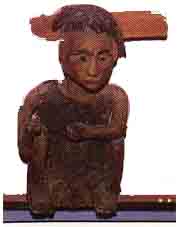
of the North-East in a small
but well organised museum. Cultural festivals are also held from
time to time. INTANKI WILDLIFE SANCTUARY is just 37 kms. away
from Dimapur. It is under the protection of the Forest
Department’s Wildlife wing. Though this is a habitat of
various animals and rare species of birds, at present, no
organised sighting tours are being conducted. The Department is
however maintaining a small sanctuary rest house for those
inclined towards solitude.
THE
RUINS OF MEDIEVAL KACHARI KINGDOM : Dimapur was the ancient capital of the Kachari
Kingdom. A small footprint of this megalithic culture still
exists. These ruins are contemporaries of the neighbouring Ahom
kingdom, established before the 13th Century A.D. The monoliths
represent the elaborate rituals of the cult of fertility.
NAGALAND HANDLOOM & HANDICRAFT owns a reputation for its handloom and handicraft
products. The beautifully hand woven tribal shawls of various
tribes, Naga mekhelas (Sarongs), Naga hand bags, exquisitely and
intricately designed, have won world-wide appreciation. The new
generation of Nagas have ventured into fashion designing on a
commercial scale, reproducing fabrics that represent the past,
fused with modern taste. Retail outlets like the GURTTEL at
KOHIMA offers you a wide range of choices to take home as
mementoes. Give it try. KOHIMA : Perched at 1444.12 metres above
sea level, Kohima enjoys a temperate climate throughout the year.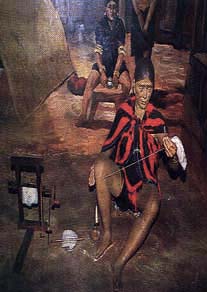
The two hour drive from
Dimapur to Kohima on NH 39, can be enjoyable experience. You
could sample the juicy, mouth watering pineapples or treat
yourself to a hot hearty meal of local cuisine from one of the
typical Naga wayside amenities that line the road at regular
intervals. The panoramic view of Kohima unfolds 16 kms from your
destination, nestled among the pristine hills. The lyrics of a
local song says “there is no place in the world half as fair
as Kohima”.
A small exaggeration perhaps,
but Kohima does have its own incomparable charms that other hill
stations do not offer. Kohima is the cosmopolitan headquarters of
15 major tribes. The distinctive character and identity of each
tribe in terms of tradition, custom, language and dress is
clearly discrenible to a visitor. Many are visibly amazed by this
contrast. The respective tribal festivals are celebrated at
regular intervals at Kohima. It is during such a time that one
gets to see a glimpse of the past animistic traditions of each
tribe, being enacted in their robust best. Should your visit
coincide with one such festival, you will be welcomed like a
family to share our past, for a fleeting moment in time. You need
no invitation to join the fun. Remember that the Nagas have a
known reputation for a warm hearted hospitality. No city can
offer you this camaraderie, even at a price.
THE
KOHIMA WAR CEMETERY
offers you a space for a quiet moment ofa contemplative stroll
with friends or family. This is a symbolic memorial raised as a
citation for the supreme human sacrifices made by the officers
and men of the allied forces, to halt the tide of the Japanese
onslaught during the Second World War. This was their last post.
The cemetery is beautifully and meticulously maintained by the COMMONWEALTH
WAR GRAVES COMMISSION. The heart moving epitaphs,
engraved on bronze plaques by their loved ones, is worth the time
spent on reading. Depart as you will, the writings on the
cenotaph is bound to echo in your inner mind for a long while :
“WHEN
YOU GO HOME TELL THEM OF US AND SAY FOR YOUR TOMORROW WE GAVE OUR
TODAY”
THE
DZUKOU VALLEY is
tucked away at an altitude of 243.8 metres above sea level. This
is a valley that dreams are made up of. From June to September,
the entire valley is carpet of wild flowers…. the lilies
white and yellow, the aconitums, the euphobias etc, the crystal
clear water of the stream leisrely meandering through the
valley… all in all, offers an unforgettable experience. Here
you are completely at peace with nature. This is assured. The
numerous low clusture of hillocks surrounding the vale, contains
some cosy natural caves and rock overhangs, ideal for camping.
Imagine, a night out in the wilderness with a guitar and friends,
sitting around a campfire to sing your night away. Throw in a few
mugs of lcoal rice beer for good measure ! Come morning and you
are greeted by the crisp mountain air and a sunrise scene to
match. No city can offer you this natural luxury.
THE
JAPFU PEAK would just
be what the doctor ordered for the adventure lovers and trekkers.
Scaling the Japfu Peak at 3048 metres above sea level can be very
trying, but exhilarating. Once up there, the expansive vista of
natures beauty more than compensates for the effort put in. Relax
in the company of friends and watch the sun paint fascinating
pictures over the entire sky, as it travels slowly beyond the
horizon. Then marvel at the ocean of mist at the crack of dawn.
October-March is the right time to try this out, when the
visibility is at its best. If you are keen to see a village
lifestyle of the people first hand you could perhaps check out
KHONOMA. This is a village not only laced in history, but also
known for their ecological propriety. The terraced fields,carved
out from the hill top to the lower valley, presents an intersting
study. You could also sit at leisure with the elders of the
village and absorb some fascinating folklore and stories of
courage and valor of their warriors who bravely faced the awesome
might of the British forces, in the times of yore. KOHIMA VILLAGE
is one of the largest in Asia. It is here that you will see an
admixture of the past and present.
A traditional gate greets you on entry, with scimitar of
hornbills and buffalo horns and so on. Stones of varying shapes
and sizes implanted within the compound or skulls of buffaloes
and mithuns adorning the portico, reminds you of the past glory
and status of the great ancestors who had performed grand feasts
of merit. Kohima village is no different. THE ZOOLOGICAL PARK
offers you a glimpse of the fauna of Nagaland. The rare
Blythe’s Tragopan, believed to be on the verge of
extinction, is being reared here in captivity. Nagaland also
boasts of more than 360 species of orchids. Four different
varieties of rhododendrons are endemic to Nagaland and bloom
abundantly during the months of March/April.
DZULEKIE is a spot of enchantment within easy reach
of Kohima. Here the domesticated bisons roam freely in the
pastoral ambience and the rainbow strouts swim the cold water
streams. For centuries, this stream has laboriously carved out
awesome gorges, 90-100 feet deep, from the solid rocks. The
surrounding green hills with little waterfalls thrown in, adds
pleasure to a cool getaway. The Department of Tourism is
maintaining a small tourist rest house with a few cottage
annexes. DIMORI COVE is a small up coming resort run by private
entrepreneur. It serves local/Chinese or other Indian dishes. A
small swimming pool has also been developed. This establishment
is 6 kms away from Kohima, on the NH 39 towards Manipur. An ideal
place for relaxation without hazards. In general, Nagaland is a
vibrant hill station, rich in folklores passed down the ages
through the word of mouth. It is a land of music : the
traditional folk songs eulogising the brave deeds of their
ancestral warriors and heros; the poetic songs of love
immortalising the ancient tragic love stories; the gospels that
touch the very core of your soul; the exquisite classical or the
present day tunes…they have them all. If you wish to mix a
little bit of culture to your tour, there are tribal artistes who
give part time performances at a reasonable fee. Indeed a trip to
Nagaland would be incomplete without witnessing the tribal
dances, which are uniquely different from the rest of the
country.
FESTIVAL INFORMATION :
| Chakhesang Sukrunye | (January) |
| Kuki Mimkut | (January 3rd week) |
| Angami Sekrenyi | (February) |
| Konyak Aoling | (April 1st week) |
| Phom Monyu | (April 1st week) |
| Ao Moatsu | (May 1st week) |
| Khiamniungan Miu | (May 2nd week) |
| Sumi Tuluni | (July 1st/2nd week) |
| Chang Nkanyulum | (July 2nd week) |
| Pochury Naze | (July-August) |
| Yimchunger Metemneo | (Aug. 2nd week) |
| Sangtam Mongmong | (Sept. 2nd week) |
| Lotha Tokhu Emong | (Nov. 1st week) |
| Rengma Nagada | (Nov. 4th week) |
| Zeliang Nga-Ngai | (Dec. 4th week) |
GENERAL INFORMATION
Area - 16,579
Sq. kms. Capital - Kohima (1,444.12 mtrs. above see level)
Districts - Kohima, Mokokchung, Wokha, Mon, Tuensang, Zunheboto,
Phek and Dimapur.
District HQ’s - Kohima, Mokokchung, Wokha, Mon, Tuensang,
Zunheboto, Phek and Chumukedima.
Tribes - Angami, Ao, Lotha, Konyak, Chang, Chakhesang,
Khiamniungan, Phom, Rengma, Sumi, Sangtam, Yimchunger, Zealing,
Pochury and Kuki.
Total Population - 12,09,546 (1991 census)
Literacy - 61.30%
Office Language - English
ALTITUDE OF IMPORTANT TOWNS OF NAGALAND (in meters)
| Pfutsero | - 2,133.60 2 |
| Tokiye | - 2,042.26 3. |
| Zunheboto | - 1,874.22 4 |
| Shamatore | - 1,691.64 5. |
| Longkhim | - 1,676.40 6. |
| Kikruma | - 1,642.87 7. |
| New Phek | - 1,524.00 8 |
| Noklak | - 1,524.00 9. |
| Peren | - 1,445.36 10. |
| Kohima | - 1,444.12 11. |
| Tseminyu | - 1,421.59 12. |
| Tuensang | - 1,371.60 13. |
| Sangsangyu | - 1,371.60 14 |
| Mokokchung | - 1,325.08 15. |
| Wokha | - 1,313.69 16 |
| Longleng | - 1,066.30 17. |
| Baghty | - 304.30 |
| Medziphema | - 304.80 23. |
| Kiphire | - 896.42 22. |
| Wakching | - 1,031.14 18. |
| Mon | - 897.64 21. |
| Mangkolemba | -14.40 20 |
| Changtongia | -954.49 19. |
( RAINY SEASON a) Heavy
Rains - May to August b)
Occasional Rain - September to October c)
Dry Season - November to April
ART AND CULTURE Museum : Anthropological Gallery
Natural History Gallery Art Gallery 2. Cultural Hall - 7 3.
Antiquities registering Unit - 70 4. District Library - 7 5.
Rural Library - 184 6. Research Library - 1 7. Archeological
Study - 1 8. North East Zone Culture Centre - 1 9. Academy of
Music & Dance - 1 10. Visitors to the museum during 97-98 -
9,415 11. Number of books in the State Library - 39,096 12.
Revenue - 51,015 13. New specimen added - 205 14. Salient
Achievements : Performing activities (Cultural show at IIC, New
Delhi) (State Cultural Exchange Programme) b. Fine arts (VIP
Entrance gate) Rostrum at Local ground Kohima c. Research and
Studies (45 folk tales and song collected and recorded)
Indigenous artifacts Archives - 919 records Public Library
Service : (New enrolment of membership in the State Library is
169) g. Archeology and Registration of Antiquities under Art
Treasure Act. h. District Gazetteers. Centrally Sponsored
Schemes.
ROUTE DISTANCE :- Distance from Kohima :
| Dimapur | 74 Kms |
| Mao | 32 Kms |
| Imphal | 142 Kms |
| Wokha | 80 Kms |
| Mokokchung via Wokha | 162 Kms |
| Zunheboto via Chazouba | 150 Kms |
| Amguri via Mariani | 226 Kms |
| Mokokchung via Jorhat & Tuli | 345 Kms |
| Tuli via Jorhat | 270 Kms |
| Amguri via Jorhat | 244 Kms |
| Zunheboto, Yehimi, Yangli | 235 Kms |
| - Pfutsero | 70 Kms |
| Meluri | 166 Kms |
| Phek | 145 Kms |
| Khonoma | 20 Kms |
| Chazouba | 70 Kms |
| Tseminyu | 55 Kms |
| Tuensang via Zunheboto | 235 Kms |
| Tuensang via Mokokchung | 269 Kms |
| Mokokchung via Mariani | 281 Kms |
| Mon via Mariani | 336 Kms |
| Kiphire | 254 Kms |
| Jalukie | 127 Kms |
| Peren | 139 Kms |
| Tenning | 187 Kms |
| Shillong | 427 Kms |
| Guwahati | 364 Kms |
| Mon, Jorhat, Namtola | 354 Kms |
| Medziphema | 44 Kms |
| Viswema | 22 Kms |
| Chazouba via Chietheba | 70 Kms |
| - Pughoboto | 64 Kms |
Distance from
Mokokchung
| Jorhat via Mariani | 103 Kms |
| Tuensang via Longsa | 108 Kms |
| Noksen via Longsa | 40Kms |
| Noksen via Logmisa | 17 Kms |
| Zunheboto | 70 Kms |
| Tuensang | 115 Kms |
| Kohima via Mariani | 281 Kms |
| Changtongia | 45 Kms |
| Tuli | 80 Kms |
| Mokokchung - Amguri | . 102 Kms |
| Mon | 210 Kms |
| Wokha | 80 Kms |
| V.K. Moromi | 32 Kms |
| Mopungchukit | 19 Kms 15 |
| Longjang | 25 Kms |
| Changki | 39 Kms |
Distance from Tuensang
:-
| Kohima via Mariani | 390 Kms |
| Longsa | 108 Kms |
| Kiphire | 122 Kms |
| Chentang Saddle | 30 Kms |
| Noksen Longkim | 72 Kms |
| Longleng via Sakchi | 75 Kms |
| Tobu | 40 Kms |
| Changlangshu via Tobu | 72 Kms |
| Chessore | 42 Kms |
| Sowhoto | 55 Kms. |
| Supongsang | 30 Kms |
| Tuli via Mokochung | 180 Kms |
| Mon via Mokokchung | 320 Kms |
| Noklak | 50 Kms |
Distance from Dimapur
:-
| Mokokchung via Mariani | 208 Kms |
| Heningkunglwa | 37 Kms |
| Guwahati | 292 Kms |
| Jorhat | 133 Kms |
| Mon | 290 Kms |
| Kohima via Khonoma | 94 Kms |
| Imphal | 216 Kms |
| Medziphema | 30 Kms |
| Wokha | 154 Kms |
| Jorhat via Mariani | 174 Kms |
| Zuheboto | 224 Kms |
| Peren | 84 Kms |
| Phek | 219 Kms |
| Lumding | 100 Kms |
Other important
Routes :-
| Zunheboto - Akuluto 42 Kms | Akuluto - Maromi 16 Kms |
| Mon - Champang 34 Kms | Mon - Naginimora via Sonari & Simulguri 100 Kms |
| Champang - Longleng 47 Kms | Yangli - Surohoto 17 Kms |
| Khonoma - Poilwa 30 Kms | Shillong - Jorhat 370 Kms |
| Amguri - Mon via Namtola 110 Kms | Amguri - Naginimora 60 Kms |
| Naginimiora - Mon via Wakching 58 Kms | Meluri - Kiphire 74 Kms |
| Longleng - Changtongia 34 Kms | Tuli - Changtongia 37 Kms |
| Tuli - Mon 130 Kms | Heningkunglwa - Jalukie 16 Kms |
| Jalukie - Peren 23 Kms | Peren - Tenning 48 Kms |
| Tenning - Nitu 24 Kms | Tobu - Chonglanshu 32 Kms |
| Kiphire - Setimi 34 Kms | Chentang - Noklak 28 Kms |
| Kiphire - Akhequo 54 Kms | Wokha - Lotsu 68 Kms |
| Wokha - Chukiton 14 Kms | Wokha - Yikhum 16 Kms |
| Wokha - Lathuti 52 Kms | Zunheboto - Aghunato 45 Kms |
New Routes :-
| Mon - Chen 70 Kms | Aboi - Sonari 101 Kms |
| Kohima - Wazeho 225 Kms | Dimapur - Tuli 188 Kms |
| Meluri - Wazeho 73 Kms |
 GLIMPSES OF THE
STATE MUESUM NAGALAND :
GLIMPSES OF THE
STATE MUESUM NAGALAND :
KOHIMA The State Museum of Nagaland , though small, has some
unique features which are immediately noticeable to any keen
visitor of the Museum. Nagaland is inhabited by 14 recognised
major tribes and an equal number of sub-tribes. Each tribe has
their distinctive customs and traditions, language and costumes,
which may not be distinguishable to outsiders but are
distinctively their own. Against this background, a glimpse of
Nagaland is not an easy task but the State Museum attempts to
present a panoramic view of the rich socio-cultural life and
heritage of the Nagas – vividly depicted through the
Anthropological, Ethnological and Art Galleries and the open Air
display.
The State Museum presents to the visitors and insight to the life
of the Nagas. Inception of the State Museum The parental
department of the State Museum known as the Naga Institute of
Culture was established on 1st November, 1964. In the early part
of 1970, the present building of the Department of Art and
Culture was constructed with and annexe for the State Museum. The
museum was gradually built up displaying the rich and varied
artifacts, costumes and lifestyles of the Naga tribes. These
displays provide us a glimpse into the rich cultural mosaic of
the Nagas which is unique even among the other tribes of the
North-East. As part of the Directorate of Art and Culture there
is also a research Library and and Archives containing valuable
historical documents, a soruce of rich material for research
scholars. Zealing Dancer A Zealing dancer in her traditional
dancing finery.
With graceful movements and inticate steps, this ‘Butterfly
Dance’ can be compared to any other well-developed dance
forms outside the State. A Sema Belle A Sema belle posing in her
traditional outfit. The beaded girdle, symbolising her high
status in society, is entitled to be worn by a rich man’s
wife or daughter. The head band is interwoven with fine strips of
cane and orchid stem. Inter-Tribe Marriage Inter-tribe marriages
are becoming a common practice as attitude of life changes. Seen
here is a couple – husband from Chakhesang tribe and wife
from Lotha, in the traditional kitchen, quietly engaged in
conversation, while the wife is cooking. It also signifies the
practice of both endogamous and exogamous, marriages in Naga
Society.
Chang Warrior
 A model of a Chang Warrior, ready for a
fight devoid of usual costumes, obviously to reveal the prominent
‘V’ tatooed on the chest which indicates the mark of a
great warrior. The number of human heads engraved on the brass
chocker and ear top signify the trophies of war and heroic deeds.
Bachelor’s Dormitory The Bachelor’s dormitory or
‘MORUNG’ plays a vital role in Naga Society. It serves
as a learning institution where traditional beliefs, customs and
social behaviour are handed down from generation. It is here that
young men graduate to manhood and become warriors, rulers or mere
citizens of the village republic. The Morung is also considered
as a recreational club.
A model of a Chang Warrior, ready for a
fight devoid of usual costumes, obviously to reveal the prominent
‘V’ tatooed on the chest which indicates the mark of a
great warrior. The number of human heads engraved on the brass
chocker and ear top signify the trophies of war and heroic deeds.
Bachelor’s Dormitory The Bachelor’s dormitory or
‘MORUNG’ plays a vital role in Naga Society. It serves
as a learning institution where traditional beliefs, customs and
social behaviour are handed down from generation. It is here that
young men graduate to manhood and become warriors, rulers or mere
citizens of the village republic. The Morung is also considered
as a recreational club.
The Khiamnuingan Lady Having
packed lucnch, agricultural implements and a rain-covering in her
carrying basket a Khiamnuingan lady sets off for the days work.
The slender iron rod in her right hand is used as a walking stick
and also utilized as a light weapon to defend herself from
attacks of small wild animals. The tatoo marks on her chin and
forehead indicate her material status. Konyak Blacksmithy The
Konyaks are noted for their skills in metal works. Simple
instruments like hammer, stone anvil or clay moulds were used for
making guns, implements for cultivation, brass-statuettes and
ornaments. The art of making brass statuettes by casting process
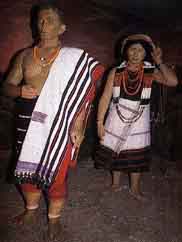
is a matter of curiosity and a proud heritage. Angami Couple An
Angami couple on a social visit to a relative in a neighbouring
Village during the SEKRENY! Festival, carrying meat, rice beer
and traditional Cuisine. This polite gesture is reciprocated by
the relative, Sekrenyi is also called “PHOUSANY!” which
means feast of purification for the Angami men. It is an
expensive feast lasting ten long days. A Phom Maiden I her
traditional best, a Phom maiden awaits her friends to join the
Village festivities. She wears necklaces carved out of conch of
shells and rows of various beads, and a head-band made by
interwining cane, orchid stem with an elaborate brass design at
the front indicating her privileged family background.
The main occupation of the Nagas is agriculture.
Naga handloom is famous and
colorful. Each tribe its own distinctive patterns. In the olden
days thread was indigenously produced by weaning cotton and using
barks and roots of various plants as dye. Precious Stones of the
Region The most valued and expensive necklace used by the Naga
people are those seen in the picture. They are an assemblance or
cornelian, tourmaline, coral, core of xancus, ivory and authentic
beads.
Agate is extensively worn by
womenfolk. It is often arranged along with either brass/silver
bells. Konyak Beads The Konyak ladies are experts in making
necklaces with beads. By stringing various Coloured beads, they
bring out beautifully intricate patterns.
The Sangtam Lady With no modern amenities like fitted water pipes
in her home a Sangtam lady returns from the well having filled
the bamboo barrels with water. Water for daily family consumption
and domestic use, is carried by women and children at the crack
of dawn. Basketry Humming a folk tune, a Chakhesang man sits on
his front yard, weaving a bamboo basket occasionally sipping rice
beer from his bamboo mug. Baskets of different shapes and sizes
are made using bamboo or cane. Making of baskets are exclusively
the preserve of menfolk. Pottery Nagas used a simple method of
Pottery.
Two implements – a shaped stone for moulding, shaping and
and engraved wooden stick for designing are used. The use of
potters wheel was not known. Naga Hut Models With huts perched on
hilltops, Nagas could survey the valley below for approaching
friends or foes. Bamboo, Wood, thatch, reeds or palm leaves weere
materials commodity used for constructing huts. However, there
were some variations in architecture between different tribes. An
Angami and Sema feastgiver’s home was distinguishable by the
‘Horns’ on his roof, the Konyaks had a rounded front
roof, the Aos’ usually had a platform attached at the back
of the hut.
The Khiamnuingan houses have slate roofing and are the most
unique among the huts. Brass/Copper Statuettes Brass or Copper
ornaments are used by all the Naga Tribes. However, brass
statuettes depicting human figures were made only by the Konyaks.
Brass pieces are recasted by melting and pouring it down, stone
or clay moulds and thus bringing out the desired statuettes.
Musical Instruments Music forms an integral part of Naga life.
Various instruments are used to accompany the singing of folk
songs. Tati, a single stringed instrument is popularly used by
the Angami farmers, and young couples to sing traditional folk
and love songs. There are other indigenous wind instruments made
of bamboo, and buffalo horns used during festivals and other
social gatherings.
Wood Carvings Wood carving is
a common practise among all Naga tribes.
Objects varying from dishes, walking sticks, smoking pipes,
pounding tables to colossal carving of house beams and pillars,
log-drum, village gate, etc. are done using simple tools like the
dao, hand-drill, and chisel. Symbolic Posts In order to enhance
one’s social prestige, a person had to give a series of
feasts to his village community over a period of time. With each
consecutive feast, the food served becomes more lavish, until on
the final grand feast, not only his villagers but the animals and
birds are fed. This event is marked with the erection of these
posts in front of the feast giver’s home. Art Gallery The
State Museum has an Art Gallery. A collection of paintings by
different local artists are on display. The themes vary from
traditional to modern.